
Can We Really Land on Mars? Let’s Find Out
Introduction
frenchtechtour.com – The possibility of landing on Mars has captured the imagination of scientists, engineers, and space enthusiasts alike. But can we really make this monumental leap and set foot on the Red Planet? Let’s delve into the challenges and advancements that could pave the way for human exploration of Mars.
Planet Mars
Mars has long fascinated scientists and space enthusiasts as one of the most promising destinations for future human exploration. Known as the Red Planet because of its iron oxide-rich surface, Mars features vast deserts, towering volcanoes, deep canyons, and frozen polar ice caps. Although its atmosphere is thin and primarily composed of carbon dioxide, ongoing research suggests that the planet may contain underground water ice, making it a potential resource for future missions and long-term habitation.
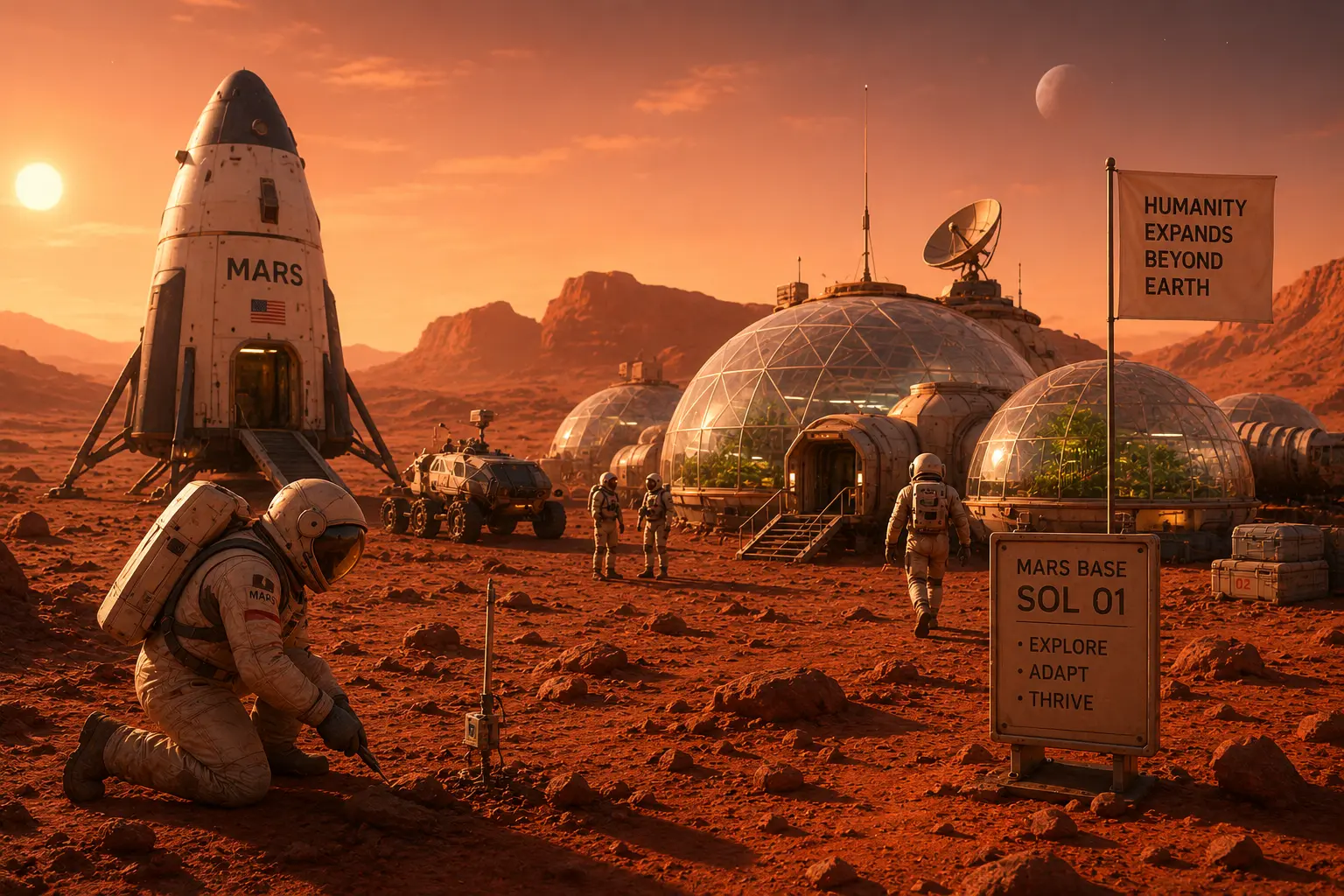
As space technology continues to advance, the red planet is becoming a realistic target for human settlement. Future missions aim to establish sustainable habitats using advanced life-support systems, renewable energy, and local resources to produce water, oxygen, and even food. While many technical and environmental challenges remain, living on Mars represents a significant step toward expanding humanity beyond Earth and deepening our understanding of the solar system.
Technological Advances to Mars
In recent years, tremendous progress has been made in space technology, bringing us closer to our goal of landing on red planet. Space agencies like NASA and private firms such as SpaceX are investing heavily in developing spacecraft capable of interplanetary travel. From improved rocket engines to cutting-edge life support systems, every advancement brings us one step closer to making a Mars landing a reality.
Challenges to Consider
While the technological advancements are promising, several challenges remain. The harsh conditions on this red planet, including extreme cold, radiation exposure, and dust storms, pose significant risks to human explorers. Additionally, the psychological effects of long-duration space travel need to be understood, as astronauts may spend months traveling before reaching Mars. Addressing these issues is crucial for ensuring the safety and success of a Mars mission.
Conclusion
The question of whether we can land on red planet is not a matter of ‘if’ but ‘when.’ With ongoing research and development, we are on an exciting path towards achieving this goal. As we continue to innovate and overcome obstacles, the dream of setting foot on Mars could soon become a reality, inspiring future generations of explorers.
Bought To You By: https://www.ez96live.com/


